Acceptable Vegetation Near Your Pool Fence
Not all plants near your pool barrier will cause a compliance failure. Here's what the Queensland pool safety standard says about vegetation in the non-climbable zone. 🌿
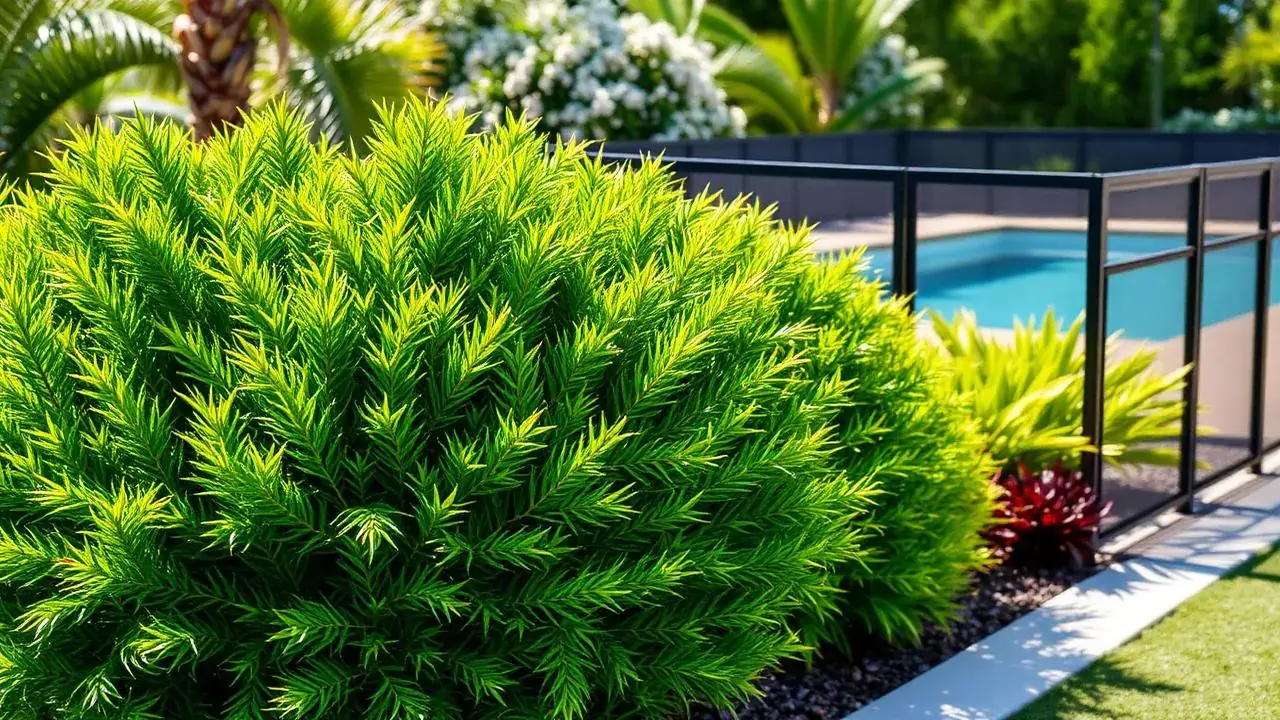
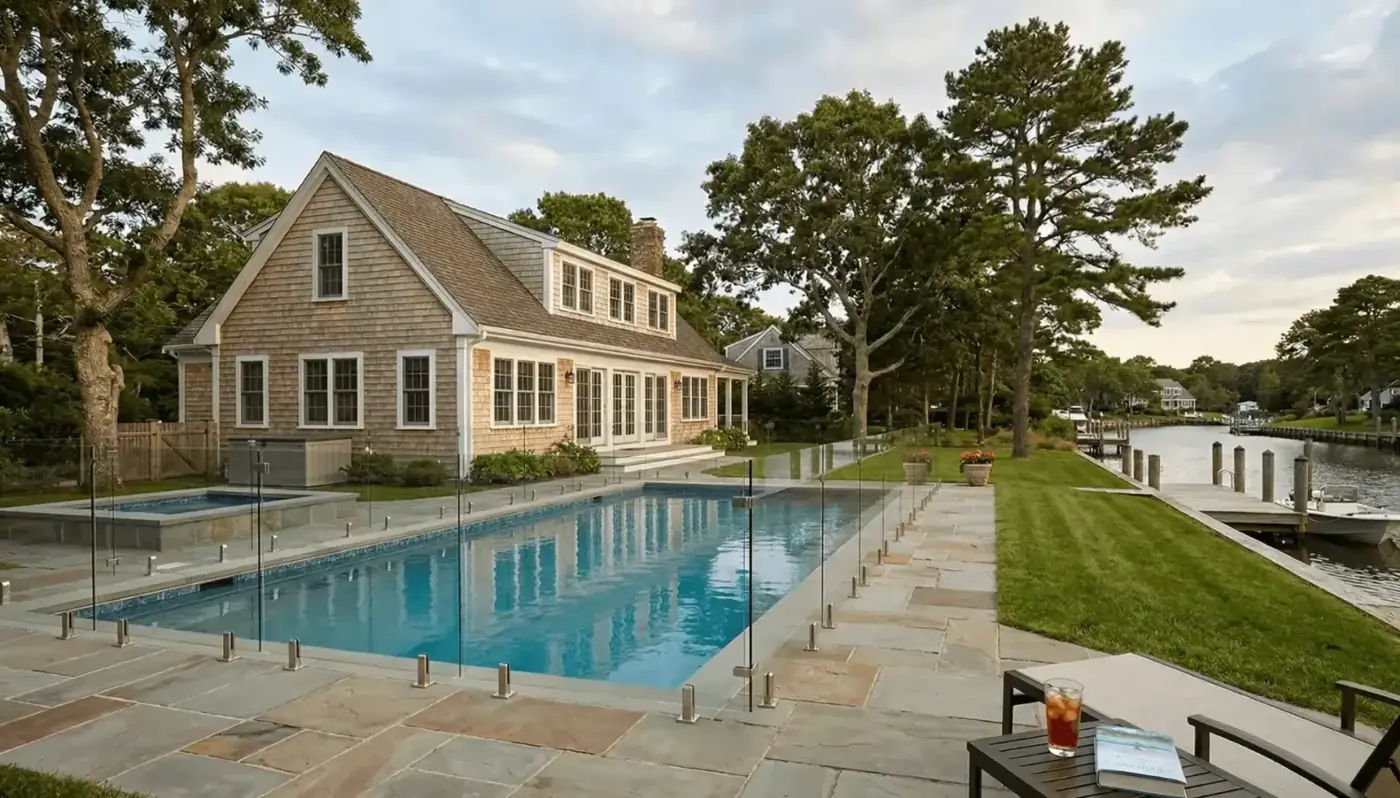
The Non-Climbable Zone & Vegetation 🌱
Queensland's pool safety standard (QDC MP 3.4 and AS 1926.1-2007 and AS 1926.2-2007) requires a 900mm non-climbable zone (NCZ) around the entire pool barrier.
Any object within this zone with a substantially horizontal surface of more than 10mm — giving a young child a foothold or handhold — is not permitted. This includes climbable trees, furniture, BBQs, taps, pot plants, lattice and retaining walls.
However, not all vegetation is banned. Understanding the difference can save you from unnecessary clearing — and a reinspection fee.
Acceptable Vegetation ✅
Dense, Thorny or Spiked Bushes
Bushes with dense, spiked, thorned, rough, or otherwise irritating foliage that would deter a young child from climbing.
Examples: Bougainvillea, holly, agave, cacti, dense bottlebrush
Fragile or Weak Shrubs
Bushes or shrubs that are fragile, crush easily, or are so weak that a child could not climb them.
Examples: Soft ornamental grasses, lavender, small flowering shrubs
Smooth Tree Trunks
Trees with smooth, straight trunks that provide no footholds or handholds for a young child.
Examples: Mature palm trunks, smooth-barked eucalyptus, crepe myrtle trunks
Palm Fronds That Bend Easily
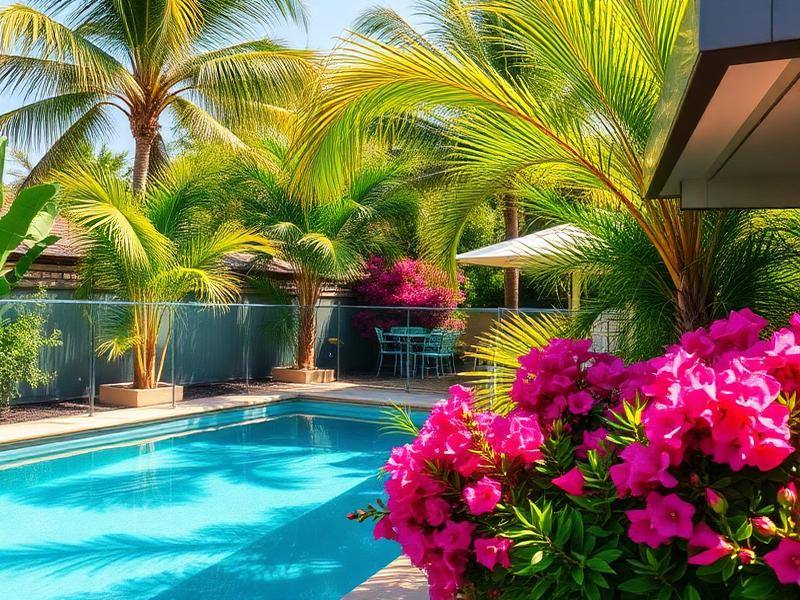
Palm fronds that flex and bend under weight so they cannot support a child climbing.
Examples: Golden cane palms, cocos palms, fan palms
Dense, Vision-Blocking Hedges
Thick bushes that block a child's view of the pool, acting as a secondary deterrent.
Examples: Dense murraya hedging, photinia, lilly pilly
Non-Acceptable Vegetation ❌
Exposed Horizontal Branches
Any branch wider than 10mm within the 900mm NCZ that a child could use as a foothold.
✅ How to fix: Remove the horizontal branch — the tree itself can stay.
Climbable Trees
Trees with low branches, rough bark, or features allowing a child to climb within the NCZ.
✅ How to fix: Remove branches below 900mm or relocate the tree.
Cut-Back Stumps
Stumps cut back to flat horizontal surfaces that a child could stand on.
✅ How to fix: Remove stumps entirely, or retain foliage to deter access.
Lattice, Trellis or Climbing Plants
Lattice or climbing plants near the fence create an obvious ladder effect for children.
✅ How to fix: Remove lattice from within 900mm of the barrier.
The 10mm Rule — The Key Test 📏
Any object within the 900mm NCZ with a substantially horizontal surface wider than 10mm that could give a child a foothold or handhold is non-compliant. If you're unsure, measure it — if it's over 10mm wide and horizontal, it needs to go. Common sense prevails however.
Your Ongoing Responsibility
- Monitor growth — regularly trim any horizontal branches that become exposed over time.
- Neighbour's trees are your problem — you may trim overhanging branches at your own cost.
- Check tree protection orders — check with council before removing any vegetation.
- Use Form 3 — for branches more than 50cm over the boundary and less than 2.5m above ground.
Frequently Asked Questions
Not Sure About Your Pool Fence Vegetation? Let's Chat! 📞
I'll inspect your pool barrier — including all vegetation in the non-climbable zone — and let you know exactly what needs attention.
Book Now